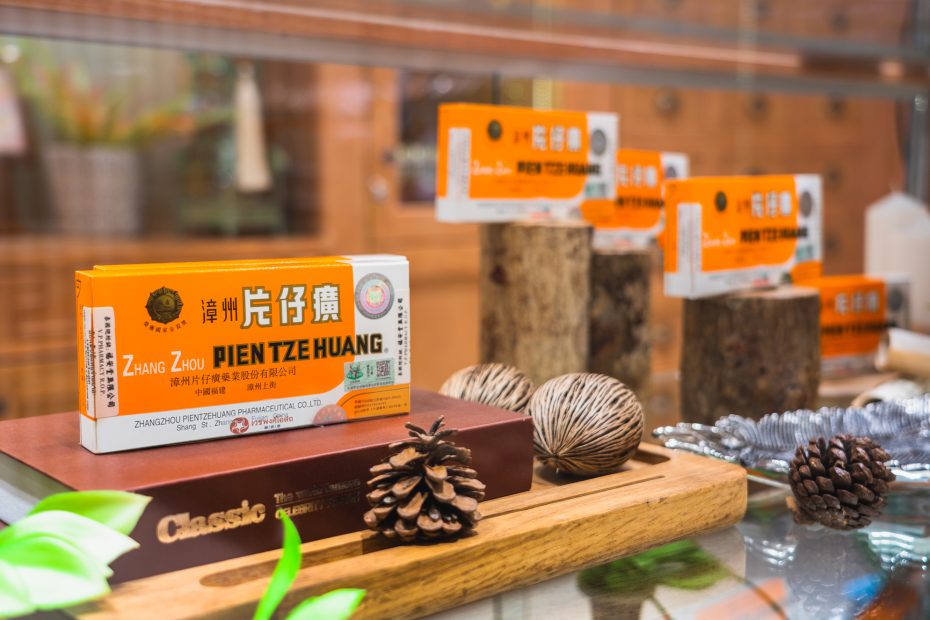
เปิดตำนาน “เพี่ยนจือหวัง” มรดกแพทย์จีน 500 ปี
ย้อนกลับไปเกือบ 500 ปีก่อน ในช่วงราชวงศ์หมิง (ประมาณปี… Read More »เปิดตำนาน “เพี่ยนจือหวัง” มรดกแพทย์จีน 500 ปี
ย้อนกลับไปเกือบ 500 ปีก่อน ในช่วงราชวงศ์หมิง (ประมาณปี… Read More »เปิดตำนาน “เพี่ยนจือหวัง” มรดกแพทย์จีน 500 ปี
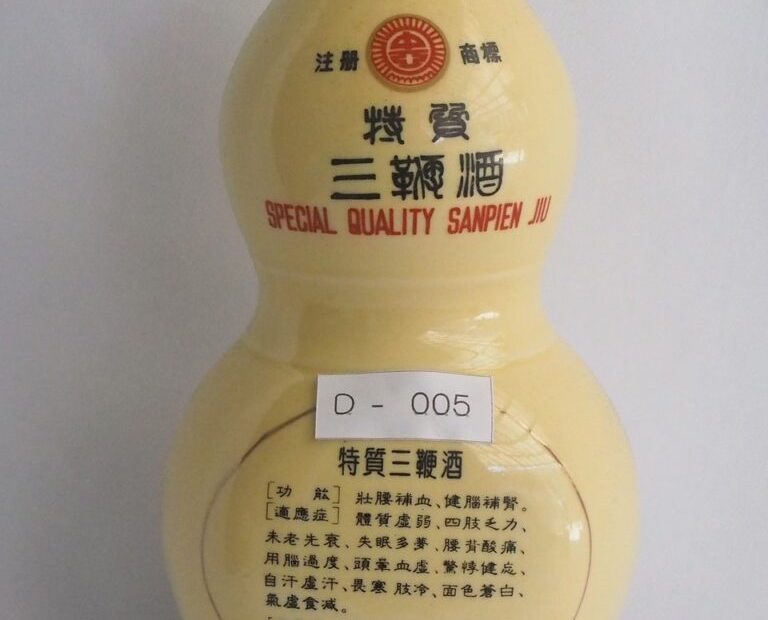
ชื่อ “ซาปี้น้ำเต้า” หรือ เหล้าซ่านเปี่ยน เพียงแค่เอ่ยถึง… Read More »เปิดตำนาน “ซาปี้น้ำเต้า” เหล้าจีนโบราณ รสลึกล้ำ กลิ่นหอมกรุ่น คุ้มค่าแก่การลิ้มลอง

ใบบัวบก อีกหนึ่งสมุนไพรที่เราต่างคุ้นเคย มากคุณค่าด้วยฤทธิ์เย็น มีมาตั้งแต่สมัยอดีตจนถึงปัจจุบัน ทั้งนี้… Read More »ใบบัวบก สมุนไพรมหัศจรรย์

การเช่ารถโฟล์คลิฟท์ (Forklift) มีประโยชน์หลายประการ หากคุณกำลังหาอ่านอยู่ละก็ คุณมาถูกที่แล้ว… Read More »ประโยชน์ของการเช่ารถโฟล์คลิฟท์ [มือใหม่ต้องดู]